A Structured Approach to Outdoor Spaces
We provide a framework for planning and installing outdoor environments, including custom design plans, plant selection, and hardscape implementation for residential properties.
Initiate a ConsultationWe provide a framework for planning and installing outdoor environments, including custom design plans, plant selection, and hardscape implementation for residential properties.
Initiate a Consultation
Our methodology involves a systematic assessment of existing conditions, followed by the development of a comprehensive plan. This plan may include considerations for plant varieties, material selection for pathways and structures, and the integration of irrigation components. The process is designed to be transparent and adaptable to various property contexts.
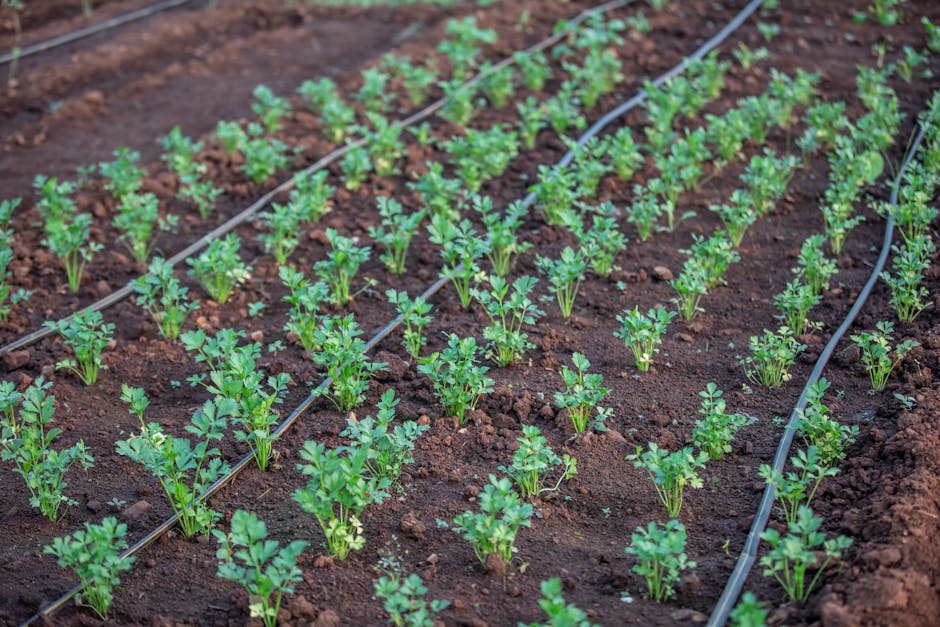
Komorebi Gardens operates with a focus on structured landscape planning. Our process begins with an evaluation of the site's specific characteristics, such as soil composition, sunlight patterns, and existing features. We then develop detailed plans that outline potential placements for vegetation and constructed elements. This informational framework is intended to guide the subsequent installation phases.
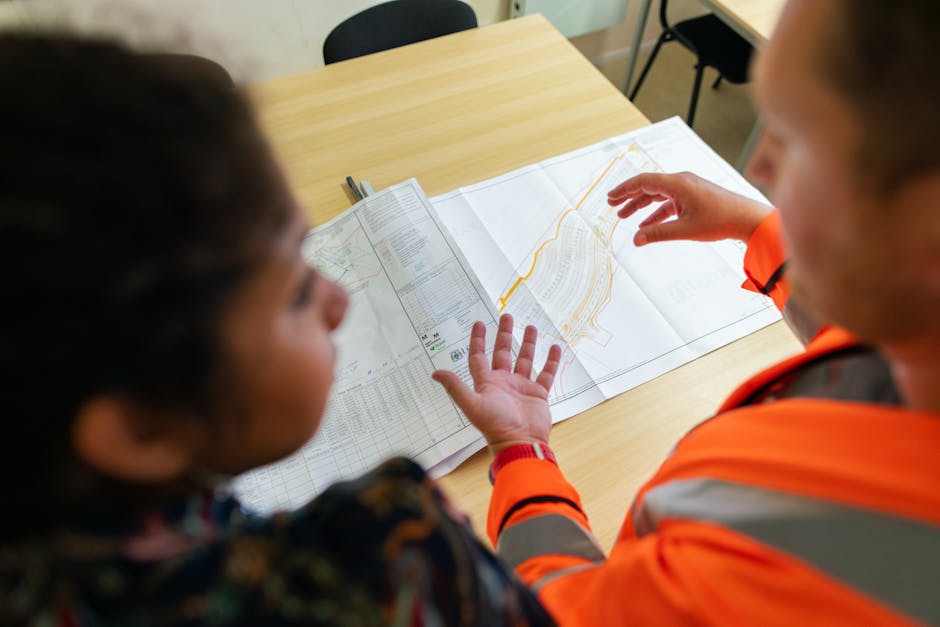
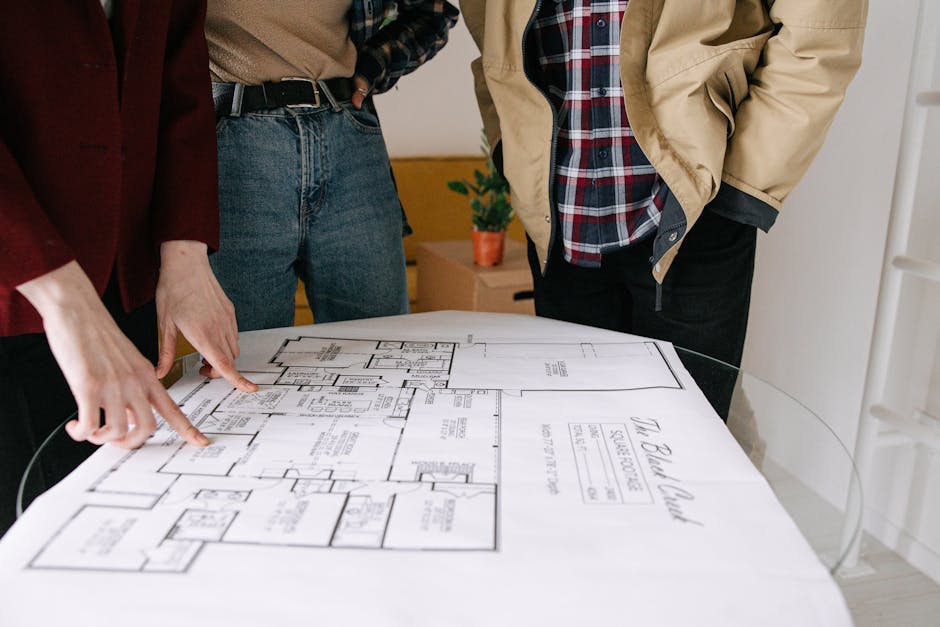
Detailed visual and written plans are created to outline the proposed layout and material selections for the project.
A selection of plant species is proposed based on site analysis, with installation following established horticultural practices.
The installation of non-living elements like patios, walkways, and retaining walls is conducted according to design specifications.
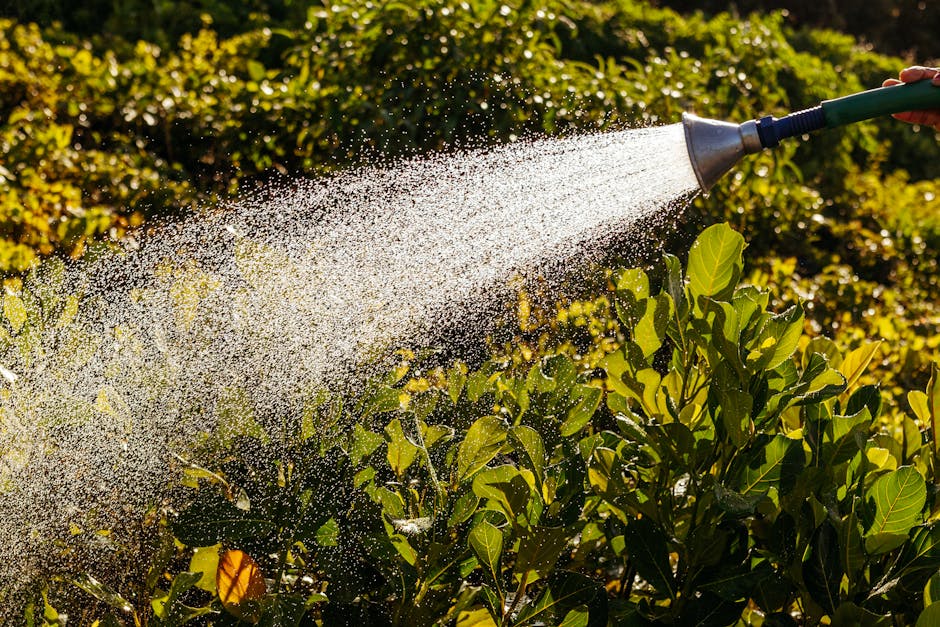
Plans may include the design and installation of watering systems intended for efficient water distribution.
Operating in Japan, Komorebi Gardens considers regional climatic factors, native plant species, and local material availability within its planning frameworks. The process acknowledges seasonal changes and incorporates principles that may align with traditional garden aesthetics, while focusing on contemporary installation methods. This contextual awareness is part of the initial assessment phase.
Effective outdoor space planning involves multiple considerations. Soil quality and drainage patterns are assessed to inform plant viability and hardscape foundation needs. Sunlight exposure throughout the day and across seasons influences design proposals. The intended use of the space—whether for quiet contemplation, entertainment, or play—guides the layout. Budget and timeline parameters are also established early in the consultation process to shape the scope of proposed plans.
A meeting to discuss the property, client considerations, and project scope, forming the basis for further planning.
A detailed plan is presented, outlining suggested layouts, materials, and plant selections for review.
Feedback is incorporated, and final specifications and schedules are confirmed before installation begins.
The physical implementation of the approved plan, conducted in coordinated stages.



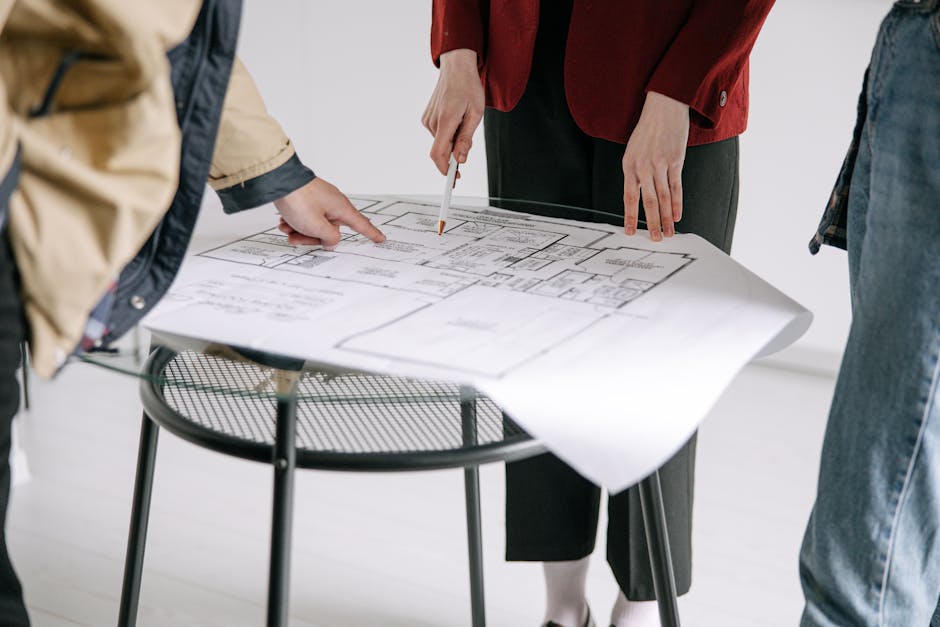
At Komorebi Gardens, we emphasize comprehensive documentation throughout our process. This includes site survey notes, scaled drawings, material schedules, and planting lists. This documentation serves as a reference for all parties involved and aims to provide clarity on the project's progression. It is a tool for communication and a record of the decisions made during the planning and installation stages.
Hardscape refers to the constructed, non-living elements in a landscape. Common materials include natural stone, pavers, wood, and concrete. Each material has different properties related to durability, maintenance, cost, and aesthetic effect. The selection process involves comparing these factors against the project's design intent, local climate conditions, and budget parameters to propose a suitable option.
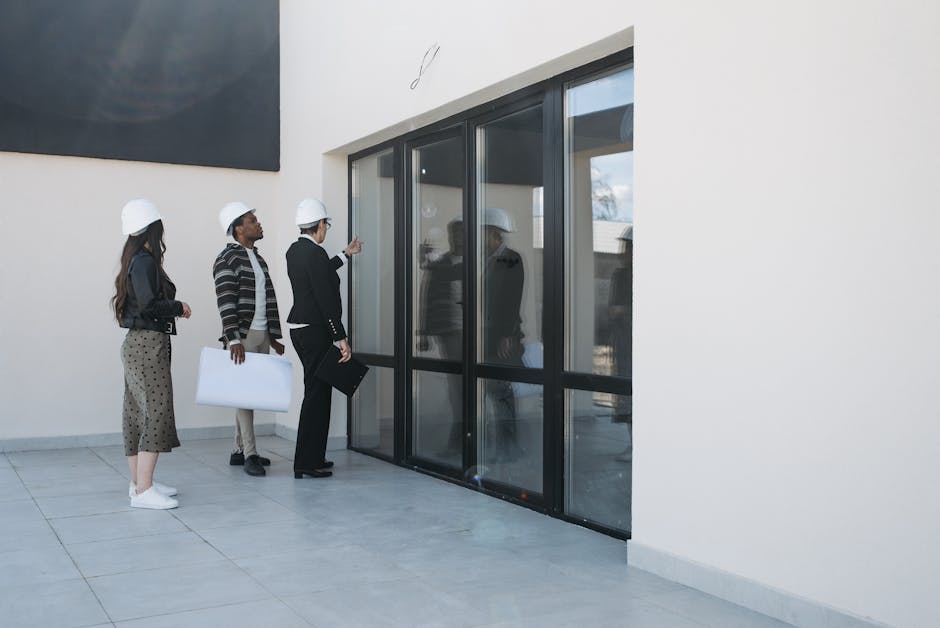
Upon completion, a walk-through is conducted to review the installed work against the finalized plans.
Guidelines for the initial care of newly installed plants and maintenance of hardscapes are provided.
A follow-up period may be scheduled to observe plant establishment and system functionality.
Discussions may include considerations for the natural maturation and evolution of the landscape over time.
Komorebi Gardens also works with property management professionals. Our approach involves creating clear, maintainable landscape plans that align with long-term property upkeep schedules and budgets. We provide specifications that can be used for future reference by maintenance teams, focusing on clarity and practicality within the managed environment.
Water management is a component of landscape planning. Irrigation system design aims for efficient water distribution to planted areas, often considering local water regulations. Drainage planning addresses how water moves across the site, aiming to mitigate pooling and protect structures. These systems are planned in conjunction with the overall layout and planting design to function cohesively.

A thorough evaluation of existing topography, soil, microclimates, and infrastructure forms the project foundation.
The planning process incorporates client input and feedback at defined stages to align with their considerations.
Detailed proposals outline scope, materials, phased schedules, and associated cost estimates for review.
We manage the scheduling and sequencing of various installation tasks, from earthwork to final planting.
If you are considering landscape planning for your property, you can provide your details to initiate a preliminary discussion.